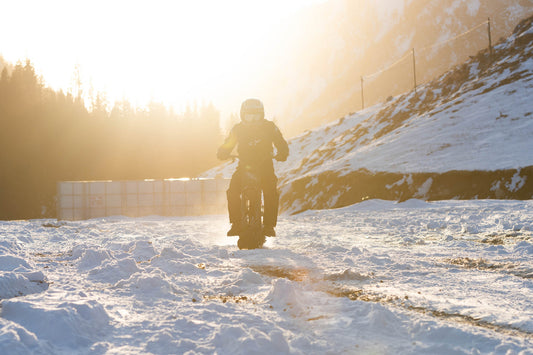
Electric bikes (ebikes) are growing in popularity as an eco-friendly and efficient mode of transportation across the United States. With the rise in adoption, riders must stay informed about the safety requirements and legal regulations governing ebikes, especially as we head into the colder months. In this blog, we will provide a comprehensive overview of the current laws, essential safety gear, and winter riding tips that every ebike rider should know in late 2025.
1. U.S. eBike Laws You Need to Know
As ebike usage grows, so do the regulations surrounding them. In the U.S., electric bicycles are subject to different laws depending on their class, and these laws can vary by state. All ebike riders need to understand these rules to ride legally and safely.
Helmet Laws: Protecting Riders Under 18
Helmet laws vary across the U.S., but one common thread is that riders under the age of 18 are generally required to wear a helmet when riding an ebike. In some states, such as California and New York, this requirement extends to all cyclists, regardless of age. Wearing a helmet is not only the law in many areas but also a critical safety measure to protect against head injuries in the event of an accident. For young riders, this law is especially important as they are still developing their cycling skills.

Speed Restrictions
eBikes are classified into three categories based on their speed and motor power. These classifications help regulate where and how ebikes can be used on public roads and bike paths:
Class 1: eBikes with a motor that assists while pedaling, ceasing assistance once the bike reaches 20 mph.
Class 2: eBikes with a motor that can propel the bike without pedaling, also ceasing assistance at 20 mph.
Class 3: eBikes with a motor that assists while pedaling, cutting off once the bike reaches 28 mph. Class 3 bikes are often equipped with a speedometer.
The classification of an ebike affects where it can be used. For example, while Class 1 and 2 bikes are generally allowed on bike paths and lanes, Class 3 bikes may be restricted on certain paths and should be used on roads instead.
Riding on Sidewalks and Roads
The rules for ebikes on sidewalks and roads can vary depending on the state and city. Generally, ebikes are treated like traditional bicycles under the law, but local regulations might restrict their use on sidewalks. For example, while many cities allow ebikes on the road, some require cyclists to dismount and walk their bikes in certain pedestrian areas.
It is also essential to know that, in many places, ebikes are prohibited from riding in bike lanes or areas designated for pedestrian use, so be sure to check local ordinances to avoid fines or accidents.

2. Essential eBike Safety Gear
As the colder months approach, ensuring your ebike is equipped with the necessary safety features is vital. Here is a list of essential gear to stay safe while riding:
Lights and Reflectors
During the shorter days of winter, it's crucial to make yourself visible to other road users. The law often requires ebikes to have front and rear lights, especially if riding after dark. In addition to lights, reflectors on both the front and rear, as well as on the wheels, can significantly increase visibility in low-light conditions.
Brakes and Maintenance
Brakes are your primary tool for staying safe, particularly in wet or icy conditions. Regularly check whether your ebike's brakes are functioning properly. Hydraulic disc brakes are generally more effective than rim brakes, especially in bad weather. Regular maintenance ensures your brakes remain reliable when you need them the most.
3. Tips for Safe Winter Riding
Winter riding can be a thrilling experience, but it comes with unique challenges. To stay safe, follow these tips:
1. Ride at Slower Speeds
In cold and slippery conditions, it’s essential to ride slower than usual. eBikes can reach higher speeds, but in winter, taking it slow will help you maintain better control on wet or icy surfaces.
2. Maintain Traction on Wet or Icy Roads
Riding on wet, icy, or snow-covered roads can be treacherous. To improve traction, consider installing wider tires with better tread, designed specifically for winter conditions. These tires provide better grip, reducing the likelihood of slipping.
3. Careful Braking
Braking is more difficult on slippery surfaces, and sudden stops can lead to loss of control. It is best to brake gradually and maintain a safe distance from other riders and vehicles. If you are riding on icy surfaces, use the back brake more than the front brake to avoid tipping over.
4. Proper Battery Handling
Cold temperatures can reduce the range of your ebike’s battery, so it’s important to store your ebike indoors or in a temperature-controlled space when not in use. Also, be mindful of the battery charge. Charging your battery overnight and using it up fully during the day can help maintain its performance over time.
4. Understanding eBike Regulations in the U.S.
As the ebike market grows, so do the regulations surrounding their use. Organizations like PeopleForBikes have worked to harmonize ebike standards across states, clarifying the classification system and regulations. The goal is to ensure ebikes are treated similarly to traditional bicycles, allowing riders to use bike infrastructure while maintaining safety standards - Statement on Electrically Powered Devices.
However, ebike regulations vary greatly from state to state. Some states have adopted the three-class system, while others have yet to regulate ebikes fully. Riders must check with local authorities to ensure they are adhering to the latest laws in their area. For that, you can consult Electric Bike Laws - State by State.
Conclusion: Stay Safe, Stay Legal
As ebike adoption continues to increase, understanding both the legal framework and safety practices becomes essential. Whether you are a seasoned rider or new to the world of ebikes, always prioritize safety by wearing the appropriate gear, adhering to local laws, and making necessary adjustments for winter riding.
By staying informed about the evolving regulations and ensuring your ebike is well-equipped for the conditions, you can ride confidently and safely through the winter months and beyond.